Contributed to multimodal HMI concepts, interaction flows, and prototypes that leveraged eye gaze, head movement, posture, and gestures to enable more intuitive human-AI interactions.
Client
Mercedes-Benz
Role
Product Designer : A lean, startup-size team within a focused division
Team
1 PL / 2 PM / 1 Product Designer / 1 GUI Designer / 60 Developers + 200+
Period
12 months
Overview
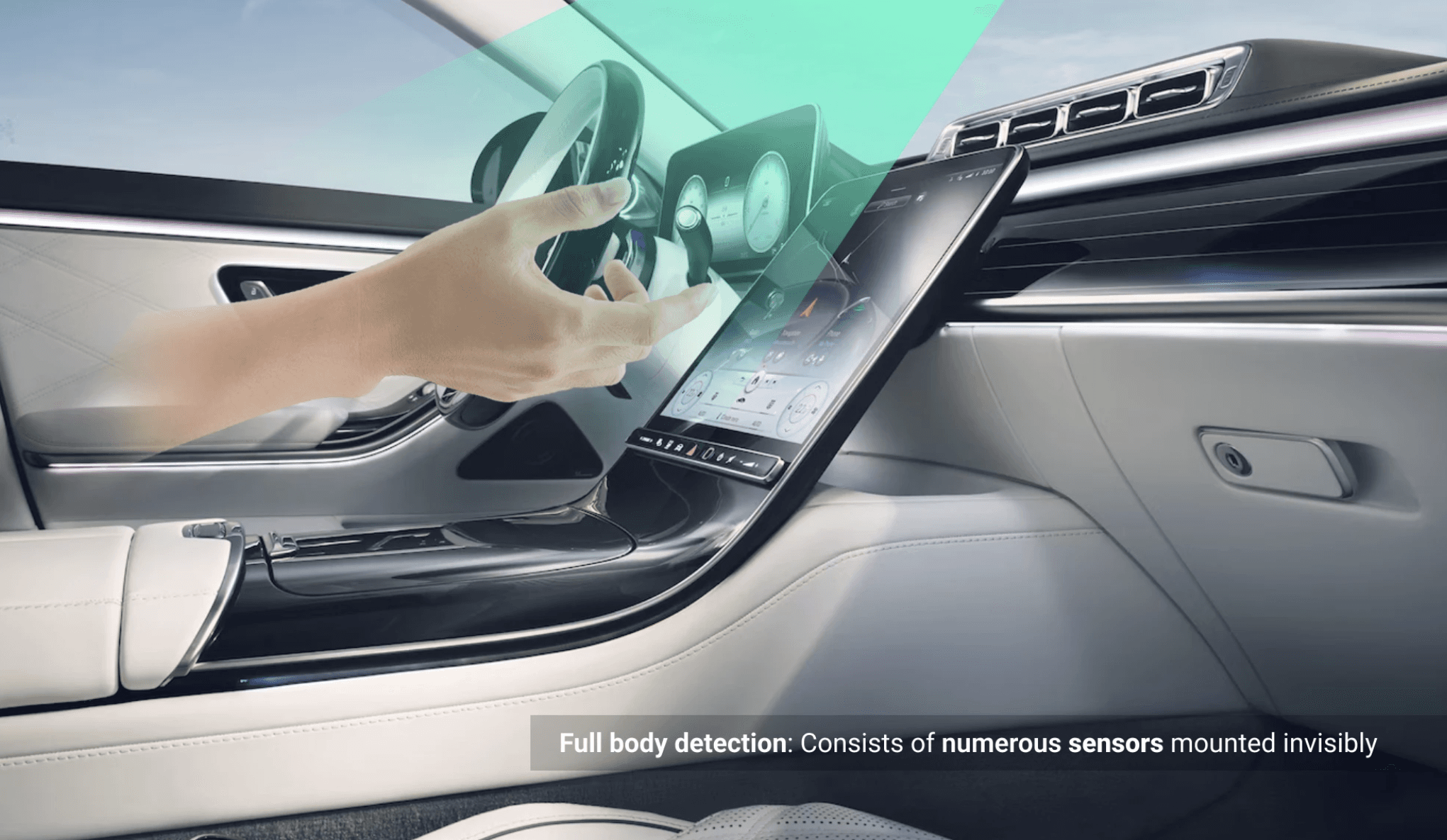
Mercedes-Benz collaborated with LG to develop multimodal AI interactions for Level 3 autonomous driving. Contributed to an AI-powered HMI system that combined eye gaze, head movement, gestures, posture, and driver state to better understand human intent in real time. The project explored how intelligent systems can interpret non-verbal signals to create more natural, responsive, and human-centered interactions.
What I did
Contributed to the design of multimodal HMI experiences that combined eye gaze, head movement, body posture, and gestures to support intuitive human-AI interaction. Collaborated with design, engineering, and research teams to define interaction scenarios, user flows, and high-fidelity prototypes that helped communicate how intelligent systems could understand and respond to human intent in real time.
Challenge
After repeated failures by senior engineers and global OEMs, the autonomous HMI project was handed to me, the youngest HMI specialist on the team, with only one week remaining. With mass layoffs looming and no clear specifications in sight, I had to rebuild my understanding from the ground up, starting with used car markets and raw components.
(Fortunately, I could draw on my hands-on experience in sensor-based HMI and voice control, built through Samsung, LG, and collaborations with major Big Tech companies.)
Objective
We had to combine field research, rapid prototyping, and user-centric intuition to quickly create a realistic and scalable solution that would meet Mercedes’ expectations for the first real-world HMI prototype for autonomous driving.
Result
My engineers and I rapidly iterated through multiple rounds of prototyping, and within just 5 days, we delivered a complete HMI product plan, along with a driver and occupant monitoring system designed to handle a wide range of unexpected real-world scenarios.
Mercedes adopted and scaled this solution, ultimately generating over $1 billion in annual recurring revenue for LG. More importantly, it restored confidence in a team that had nearly been dismantled, proving the many hidden talents that had gone unrecognized.
Preview final design
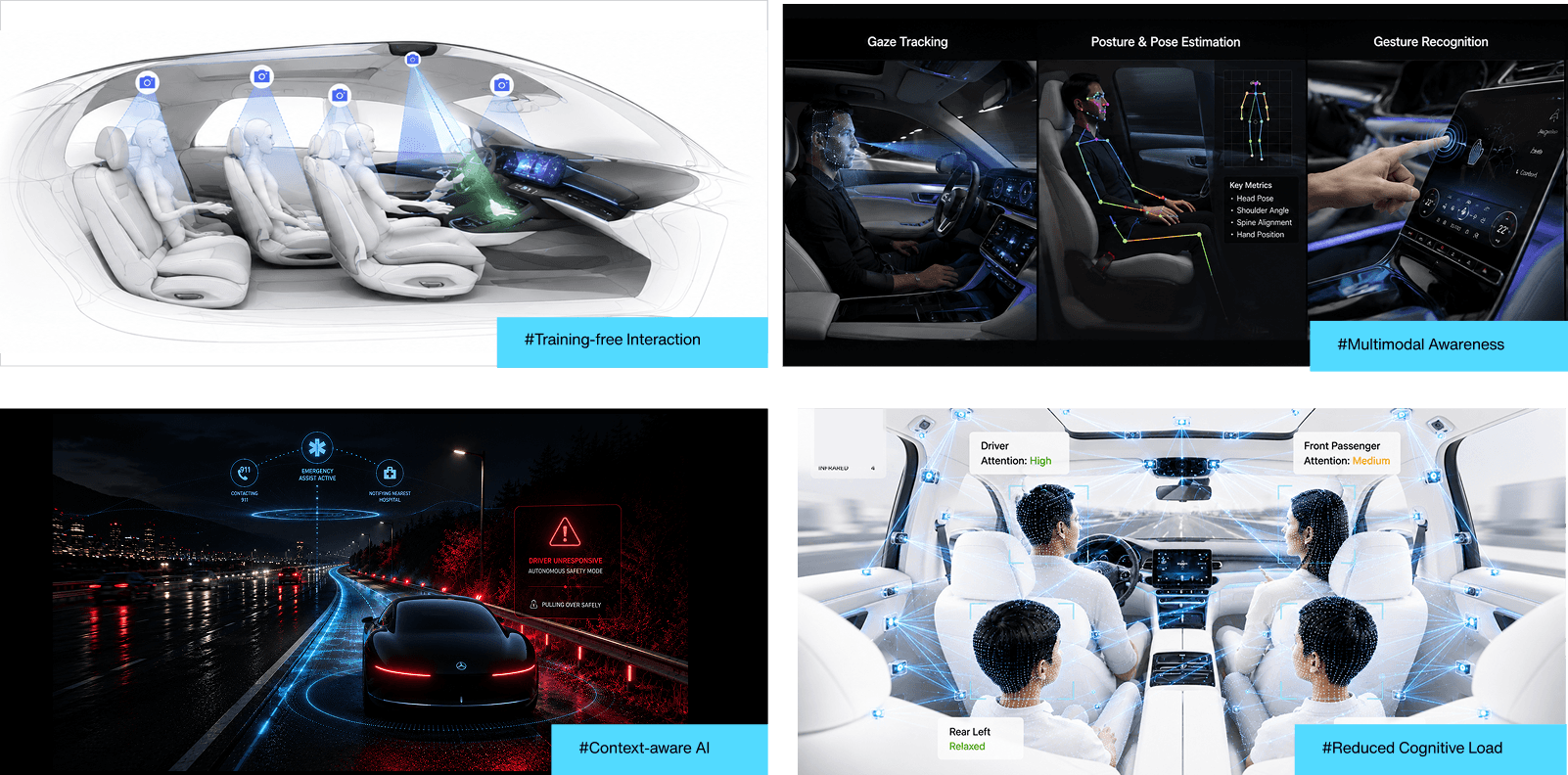
Our UX approach focused on enabling intuitive, full-body interactions that support both autonomy and comfort in high-stakes driving scenarios. By integrating head posture, eye tracking, and hand pointing gestures, we created a proactive HMI that eliminates the need for memorized commands.
The design allows users: driver or passenger to interact naturally under pressure, minimizing distraction and maximizing safety. Every gesture & posture model was validated through rapid prototyping and real-world testing, ensuring clarity, speed, and emotional trust at every touchpoint.
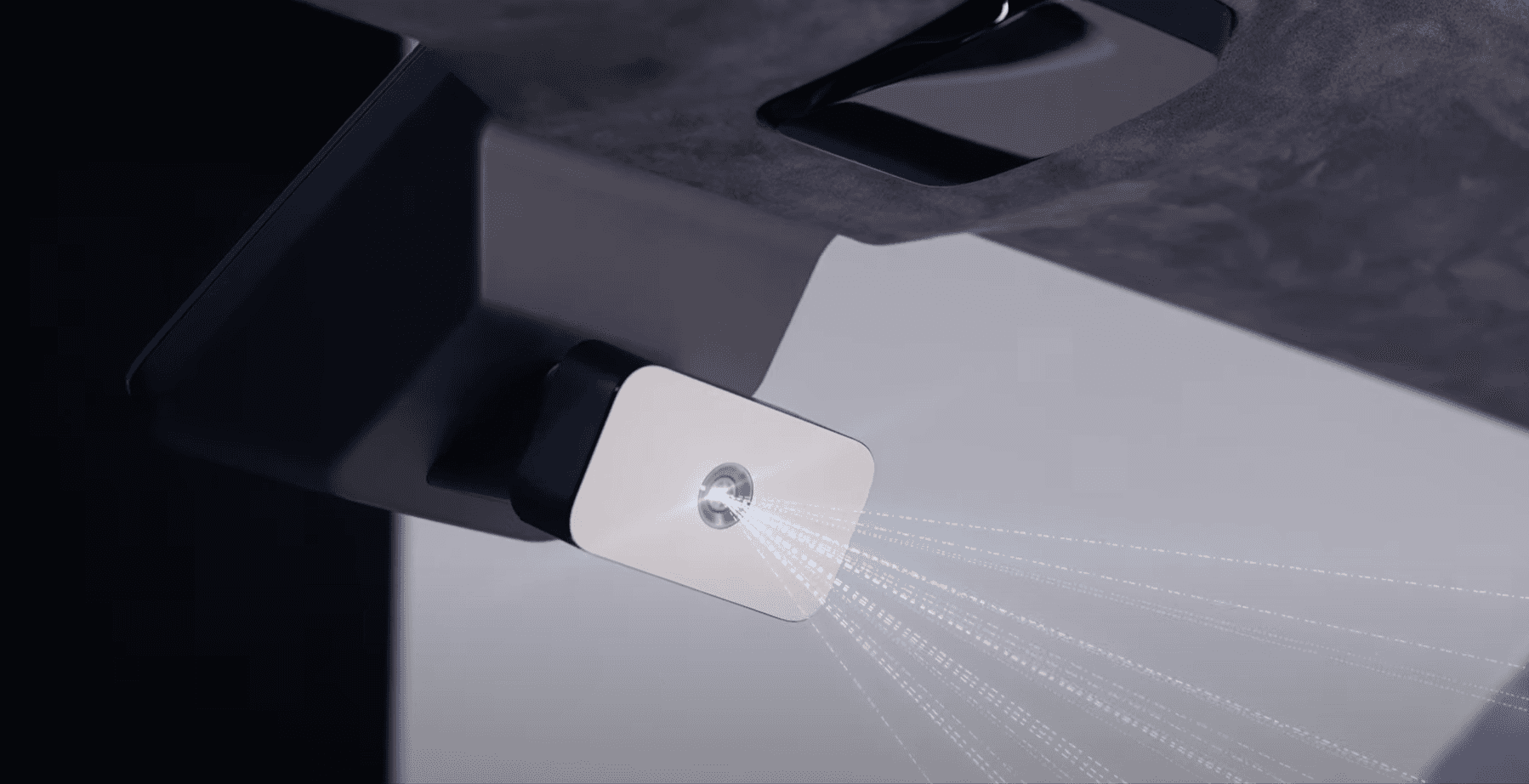
In addition to these multimodal interactions, several advanced techniques and proprietary sensing technologies were applied throughout the system. Due to confidentiality agreements, certain technical details cannot be disclosed here—but they played a critical role in delivering a seamless and intelligent experience.
More detail
I’ll walk you through the details during our meeting
Hello
Any questions?
Let's connect and build something meaningful together